
Stick, Timber, or Post Frame? A Builder’s Guide to Framing Your Legacy Home
When designing a custom home in Middle Tennessee, the structure you build beneath the finishes matters just as much as the beauty you see above them. The right framing system impacts everything—layout flexibility, energy efficiency, construction speed, long-term durability, and even how your investment performs over time.
At Pivot Construction, we work across several framing methods, each suited to different project types and design goals. Understanding these options early helps you make informed decisions that align with both your vision and your budget.
In this article, we’ll break down the four primary systems we use at Pivot:
Each system carries its own strengths, tradeoffs, and character. Below, we’ll explore how each works, where it excels, and what to consider as you plan your Legacy Home.
Stick Frame Construction
Stick framing—also known as conventional or stud framing—has been the backbone of American homebuilding for more than a century. Built on-site with dimensional lumber (typically 2x4 or 2x6 studs spaced 16 or 24 inches apart), it remains the most common and cost-efficient framing system used in residential construction today.
Because it’s a familiar method trusted by builders, inspectors, and engineers alike, stick framing allows for smooth coordination across trades and predictable project timelines. It’s adaptable to nearly any architectural style and works seamlessly with modern insulation systems, mechanical runs, and energy-efficient upgrades.
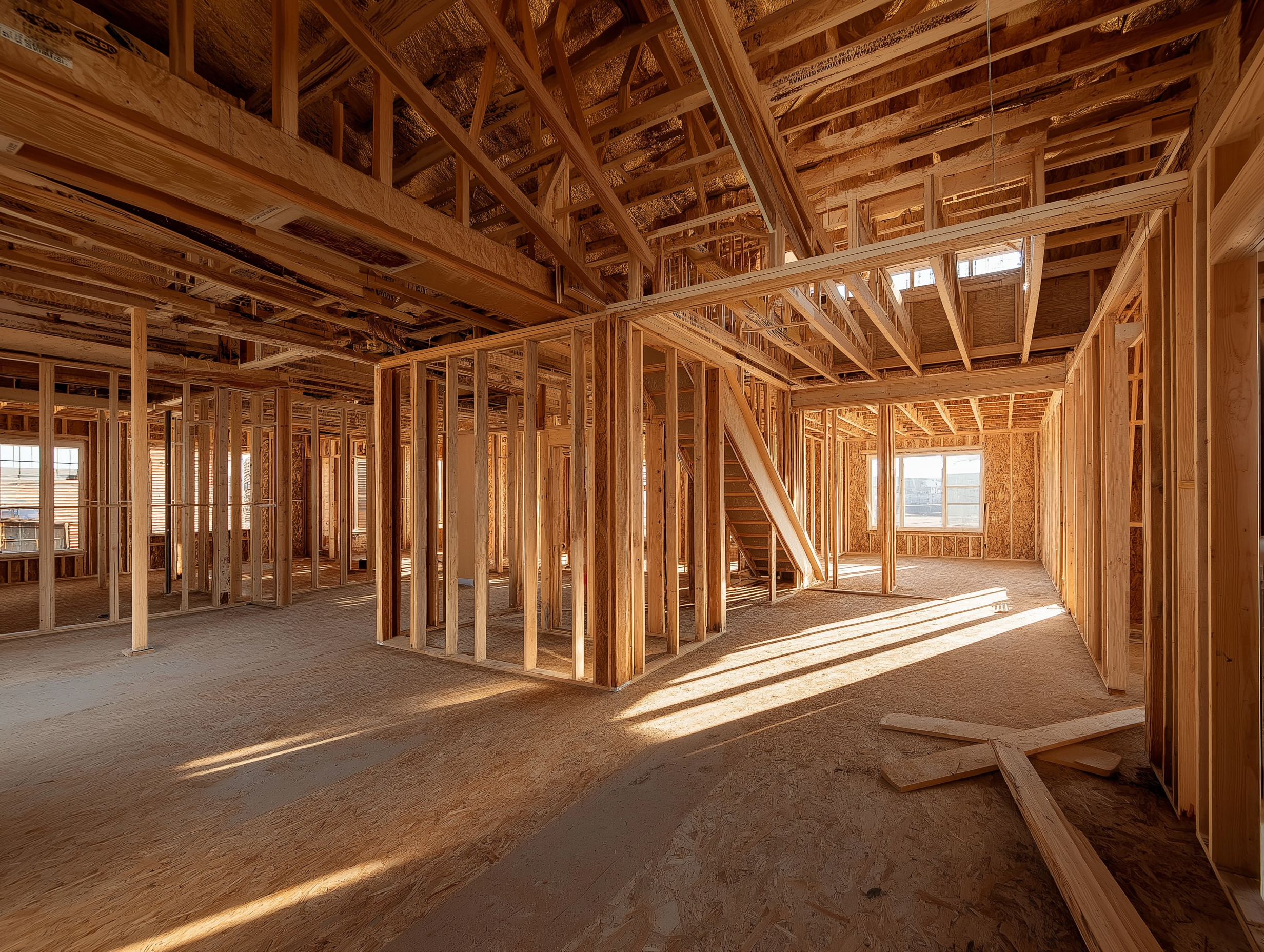
Stick framing is a simple, proven system—but like any structure, its strength depends on execution. A well-built stick-framed home can last for generations, but achieving that level of performance takes experience and attention to detail. Factors such as lumber quality, moisture protection, and framing accuracy all influence how the structure holds up over time. At Pivot Construction, our crews bring the same attention to detail to stick framing that we do to our most specialized builds, ensuring the framework beneath every home is as dependable as the finishes above it.
Best For:
Standard custom homes, additions, and projects where efficiency, budget alignment, and trade coordination are top priorities.
Strengths:
Highly adaptable to nearly any layout or design style
Streamlined for permitting, inspections, and utilities
Compatible with high-performance insulation and energy systems
While stick framing remains the industry standard, many clients exploring custom homes in Middle Tennessee are drawn to the craftsmanship and timeless design of timber framing.
Timber Frame Construction
Few framing systems capture craftsmanship like timber. Long before engineered lumber or production framing, homes were raised with massive hand-cut timbers fitted together by precision joinery. That tradition continues today—combining old-world techniques with modern engineering to create homes that are both structurally superior and architecturally stunning.
Traditional Timber Frame
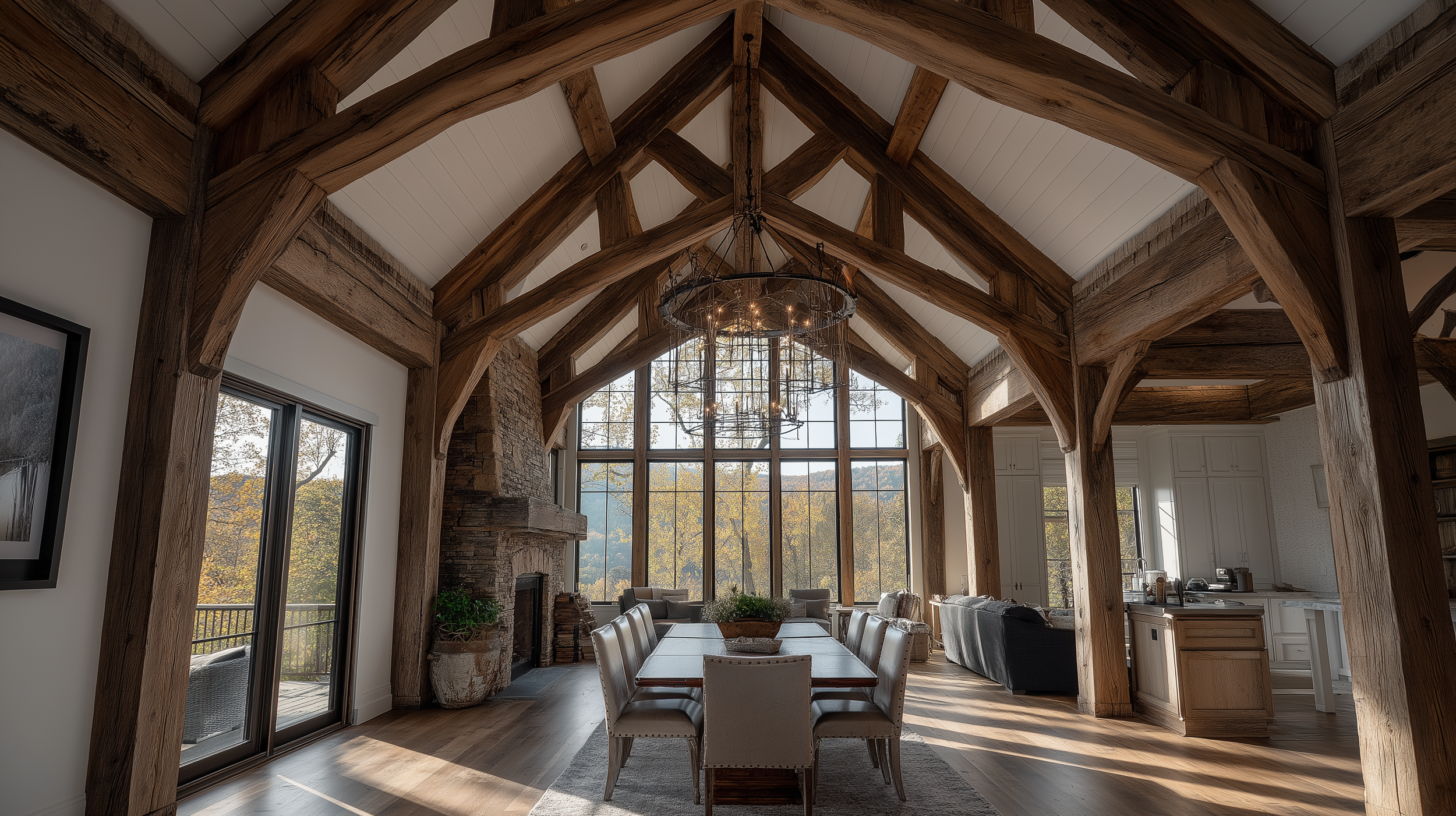
Traditional timber framing is a centuries-old building technique that uses massive, exposed timbers joined with mortise-and-tenon joinery—no nails or metal brackets. It forms an exposed structural skeleton that defines the home’s architecture from the inside out, creating dramatic open interiors with vaulted ceilings and a sense of permanence few other systems can match.
While this system requires greater planning and precision than conventional framing, it rewards that effort with exceptional performance and longevity. The structural frame itself carries the weight of the home, eliminating the need for interior load-bearing walls and allowing for expansive, uninterrupted spaces.
Traditional timber frames are often enclosed with Structural Insulated Panels (SIPs)—factory-built panels that combine rigid insulation sandwiched between structural sheathing. SIPs create an airtight, highly efficient envelope around the timber skeleton, dramatically improving thermal performance and reducing long-term energy costs.
Best For:
Clients seeking a true legacy home with open layouts, visible craftsmanship, and long-term performance.
Strengths:
Unmatched architectural drama and heritage value
Expansive, open interiors with vaulted ceilings
Exceptional energy efficiency when built with SIPs
Custom-built to last for generations
Traditional timber framing stands as the pinnacle of craftsmanship—a structure chosen not for speed, but for permanence. It’s for those who want their home to make a statement and to stand strong for generations.
While a full timber frame is unmatched in strength and character, it isn’t always the right fit for every project. Many clients love the warmth and authenticity of exposed wood but also want flexibility in design, utilities, and cost. That’s where hybrid timber framing shines—combining the aesthetic and structural advantages of timber with the practicality of modern framing.
Hybrid Timber Frame
Hybrid timber framing blends traditional and conventional techniques. Select architectural elements—such as trusses, beams, or posts—are showcased in key areas like great rooms, entries, or porches, while the rest of the structure is framed conventionally.
At Pivot, we often frame hybrid timber homes using 2x6 stud walls spaced 16 inches on center. This approach makes wiring, plumbing, insulation, and window installation more efficient and flexible than SIP-based designs. While Structural Insulated Panels perform exceptionally in traditional timber builds, they require custom ordering with exact dimensions and conduit paths—making on-site adjustments difficult and expensive.

Best For:
Clients seeking a balance of visual impact, structural efficiency, and practical cost control.
Strengths:
Showcases timber where it creates the most visual and emotional impact
Simplifies trade coordination and on-site adjustments
Easier integration of insulation, electrical, and mechanical systems
Offers the warmth of timber at a more accessible price point
For many of Pivot’s clients, the hybrid approach represents the ideal balance—architectural richness without unnecessary complexity. It delivers the look and longevity of timber craftsmanship within a turn-key, design-build process built for modern living.
Although stick and timber framing remain the preferred choices for residential structures, certain outbuildings benefit more from a system designed for efficiency and speed—post framing.
Post Frame Construction
Post frame construction, often recognized for its role in the “barndominium” movement, is built around widely spaced structural posts—typically 8 feet or more apart—anchored directly into the ground or a concrete slab. These vertical posts support the roof and walls, eliminating the need for traditional framing members or interior load-bearing walls. The result is large, open interiors and faster build times compared to conventional framing.
Because the primary structure carries its load through vertical posts rather than stud walls, post frame buildings can sit on simpler foundations and adapt to a variety of exterior finishes—from metal and wood to brick or custom cladding. The system’s deep wall cavities also allow for solid insulation performance when properly designed and installed.
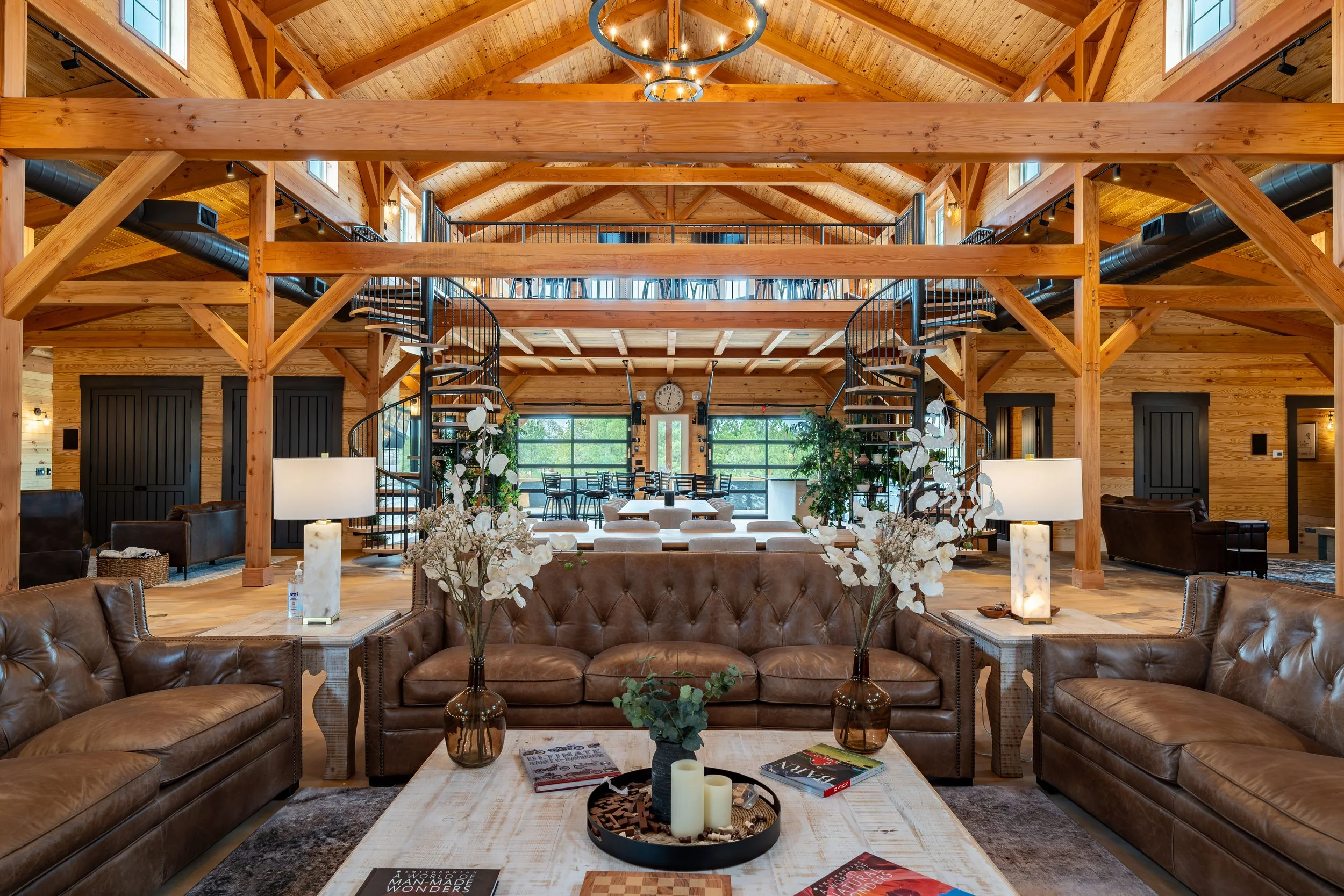
While some homeowners choose post frame for residential use, Pivot primarily recommends this method for garages, workshops, barns, and event spaces—projects that benefit from clear spans, efficient construction, and lower overall cost rather than detailed interior customization. For structures where flexibility, speed, and value matter most, it’s a proven solution.
Best For:
Detached buildings or outbuildings where open space, efficiency, and lower cost are higher priorities than complex interior finishes.
Strengths:
Lower foundation and material costs
Expansive interiors with flexible, open layouts
Fast construction timelines
Reliable insulation performance from deep wall cavities
Compatible with a wide range of exterior finishes
Understanding the systems is important, but understanding how your builder approaches them is what protects your investment.
The Value Trap: Questions to Ask Your Builder
Many homeowners fall into what we call “the value trap”—focusing on surface-level pricing instead of the deeper decisions that determine how a home actually performs. The lowest bid may look appealing, but without the right framing approach, project oversight, and communication, those savings often disappear in change orders and long-term maintenance costs.
Each framing system has its strengths—but how your builder approaches those systems matters just as much as the materials themselves. Many projects go off course not because of design flaws, but because of missed details, unclear expectations, or low accountability once construction begins. Asking the right questions up front can save you frustration and money down the line.
Here are five questions every homeowner should ask before signing a contract:
What framing systems do you use, and why?
Listen for a clear explanation that ties the recommendation to your design goals and budget—not just convenience or cost.
How do you handle structural engineering and permitting?
A dependable builder manages these steps proactively, ensuring everything is coordinated before work begins.
What’s your approach to insulation and energy efficiency?
The best builders think about the whole envelope—how wall systems, insulation, and mechanicals work together for long-term performance.
How do you manage framing changes once the project starts?
Strong builders have a documented change-order process and keep you informed before adjustments impact the timeline or cost.
Who actually performs the framing work?
Quality framing comes from trusted teams who understand structure, not just speed. Don’t hesitate to ask who’s swinging the hammer.
Transparent builders won’t dodge these questions. They’ll welcome them. It’s how trust begins long before the first post is set or the first stud goes up.
At Pivot Construction, we believe confidence starts with clarity. That’s why our design-build process integrates every detail—from structural planning to energy performance—under one roof, ensuring nothing gets lost in translation between design and execution.
The Design-Build Advantage
Every great home begins with alignment—between vision, craftsmanship, and execution. In traditional construction, those responsibilities are split between separate teams: an architect designs, an engineer specifies, and a builder interprets. Along the way, details slip and accountability fades.
The design-build model brings everything back under one roof. At Pivot Construction, design and construction move together from the first sketch to the final walkthrough—one team, one contract, one shared commitment to doing things right.
For clients, that means transparency, continuity, and confidence. Your designer, builder, and project manager work as one, ensuring every decision supports both your vision and your investment.
Because the same hands that plan your home are the ones who build it, every structural and aesthetic detail fits together exactly as intended. It’s a process that keeps you informed at every step, with a team that treats your home like their own.
Benefits of Design-Build:
One accountable partner from concept to completion
Seamless collaboration between design, structure, and finishes
Faster, more predictable timelines
Fewer surprises and costly revisions
A home built with intention—every detail aligned with your goals
Design-build keeps the process simple, the communication clear, and the finished home exactly what the client expected.
Our Structural Partner: Stoltz Co
For the most demanding framing work, Pivot partners with Stoltz Co, a Tennessee-based structural specialist known for advanced timber and post-frame construction.
Led by Will Stoltzfuz, Stoltz Co draws on deep Amish heritage and generations of craftsmanship—bringing integrity, discipline, and quiet excellence to every build. Their team handles framing, structural systems, and timberwork on many of Pivot’s signature homes, ensuring that every beam, post, and connection supports both the architectural vision and the long-term performance of the structure.
It’s a partnership built on shared values: pride in workmanship, respect for materials, and doing things right the first time.
Choosing the Right Frame for Your Legacy Home
The structure of your home defines how it lives, lasts, and performs. Whether you’re drawn to the craftsmanship of timber, the efficiency of stick framing, or the practicality of post frame, the best choice always comes down to one thing — how well it’s built.
At Pivot Construction, we combine clarity, craftsmanship, and accountability to deliver homes that stand the test of time. Every project begins with a conversation about your vision, your priorities, and the legacy you want your home to represent.
Ready to Start Your Build?

